The Short Answer
A South African hunting safari typically costs between $350 and $600 per hunter per day for the daily rate (professional hunter, lodging, meals, and vehicle), plus a separate trophy fee for each animal taken, ranging from roughly $200 for small game like duiker or steenbok to $8,000-$14,000+ for Cape buffalo. A realistic 5- to 7-day safari taking three to five plains game species typically lands between $8,000 and $20,000 per hunter, all-in, before flights and taxidermy.
What the Daily Rate Actually Covers
The daily rate is a package price, not just a guide fee. At a full-service lodge it generally includes your professional hunter, tracker, skinner, and camp staff; a dedicated hunting vehicle; airport or airstrip transfers; all accommodation; all meals and beverages, including alcohol; daily laundry; and trophy preparation – skinning, salting, drying, and transport to the dip-and-ship facility. South African VAT (15%) is usually already built into the quoted rate.
Because so much is bundled in, comparing two outfitters on daily rate alone can be misleading. A $350/day quote that excludes drinks, laundry, or trophy prep can end up costing more than a $450/day quote that includes everything.
What’s Charged Separately
Trophy fees are billed per animal, only for what you actually take (with wounded-and-lost animals typically charged at full trophy price – ask your outfitter how they handle this before you book). Outside the daily rate, expect to also budget for: international and domestic flights to the lodge; a temporary firearm import permit if bringing your own rifle, or a daily rifle hire fee (commonly around $40/day) plus ammunition (roughly $5-$8 per round); gratuities for the PH and camp staff; dip-and-ship, export permits, and taxidermy once you’re home; and any nights before or after the hunt.
Typical Trophy Fee Ranges (2026 Industry Averages)
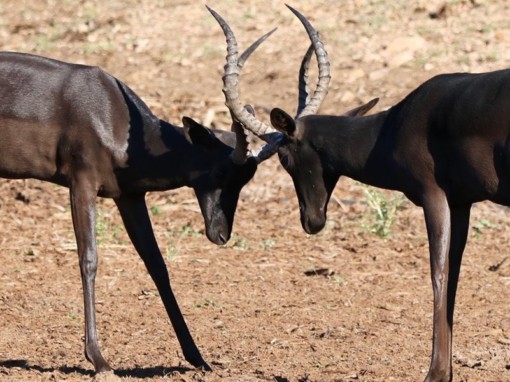
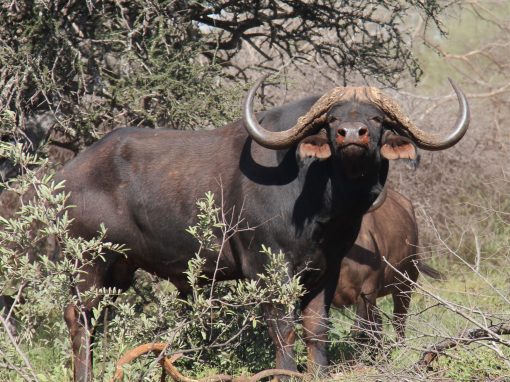
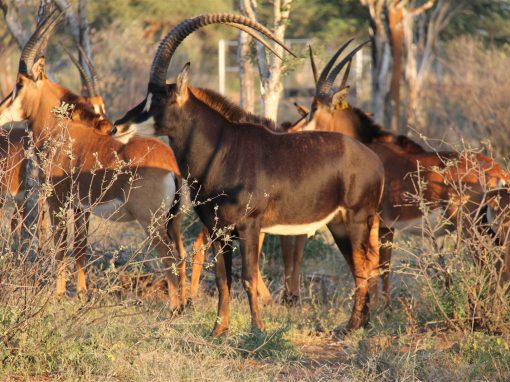
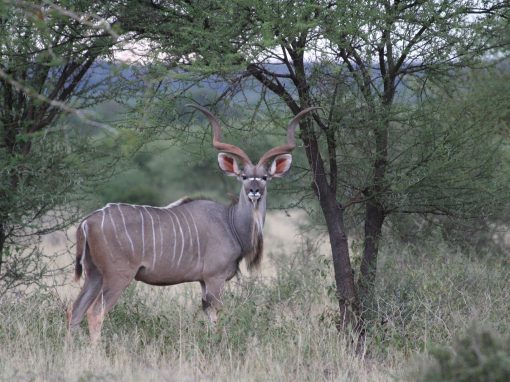
Trophy fees vary by outfitter, trophy quality, and region, but current South African industry pricing generally falls into these bands: Impala $400-$700; Warthog $300-$500; Blesbuck $400-$600; Springbuck $350-$550; Kudu $2,000-$3,500; Gemsbok/Oryx $1,200-$2,000; Waterbuck $1,800-$2,800; Nyala $1,800-$2,800; Sable Antelope $4,000-$8,000; Roan Antelope $8,000-$15,000; Cape Buffalo $8,000-$14,000+. Rare colour variants – golden wildebeest, black impala, golden oryx – carry a significant premium over their common-colour counterparts because of their genetic rarity. Exact pricing at any specific lodge, including Tolilé, is generally provided on request once your species list and dates are known, since quota availability and trophy quality shift year to year.
A Worked Example
Take a fairly typical 7-day, four-species hunt: daily rate at $450/day x 7 days = $3,150. Trophy fees for kudu ($2,800), gemsbok ($1,600), impala ($550), and warthog ($400) add $5,350. That’s $8,500 before flights, rifle hire or ammunition, gratuities, and dip-and-ship. Add a Cape buffalo to that same trip and the total roughly doubles, which is why many first-time hunters start with plains game and add dangerous game on a return trip.
Ways to Manage the Budget
A few levers genuinely move the total cost: hunting in a 2×1 arrangement (two hunters sharing one PH) is usually cheaper per person than 1×1; booking three to five species you actually want rather than adding animals impulsively in camp keeps trophy fees predictable; travelling in the shoulder parts of the April-November season can mean better rates and availability than peak July-September; and using the lodge’s private airstrip or a shared shuttle transfer, where available, avoids costly private road transfers from Johannesburg.
Frequently Asked Questions
How much does a 7-day South Africa hunting safari cost in total?
For plains game only, budget $8,000-$18,000 per hunter all-in (daily rate, trophy fees, rifle hire, gratuities), depending on species chosen. Adding Cape buffalo typically pushes a 7-day trip into the $18,000-$30,000+ range.
Are South African trophy fees negotiable?
Package hunts (a set list of species at a bundled price) sometimes offer better value than pricing every animal a la carte, but individual trophy fees are generally fixed by the outfitter for the season. It’s worth asking about package rates for 3+ species.
Does the daily rate include South African VAT?
At most reputable lodges, yes – the quoted daily rate already includes the 15% VAT, but it’s worth confirming this in writing before booking.
What’s the difference between a 1×1 and 2×1 hunt?
1×1 means one hunter with one dedicated professional hunter; 2×1 means two hunters share a single PH and vehicle, which is usually 15-25% cheaper per person but means alternating shot opportunities.
Is tipping expected on a South African hunting safari?
Yes. Gratuities for the PH, tracker, skinner, and camp staff are customary and separate from the daily rate – most outfitters can provide guideline amounts on request.