The Short Answer
A well-planned first safari really breaks down into four stages: booking 6-12 months out, firearms and travel paperwork sorted 60-90 days before departure, final packing and health prep in the last few weeks, and then simply trusting your outfitter’s team once you land. Nothing here is complicated on its own – it just benefits from a checklist, because it’s easy to leave an important permit or vaccination until too close to departure.
6-12 Months Out: Choosing an Outfitter and Booking
Start by deciding what you actually want from the trip – a focused dangerous-game hunt, a broad plains-game safari, or a mixed trip with non-hunting family members – since that shapes which outfitter and region fits best. Vet any outfitter through references from past clients, confirm the professional hunter’s provincial license, and check whether the lodge caters to non-hunting guests if you’re bringing family. Book early: prime months in Limpopo (roughly April through November) fill up well in advance, and species availability on quota can be limited later in the season.
60-90 Days Out: Firearms and Travel Paperwork
If bringing your own rifle, you’ll need a South African temporary firearm import permit, applied for through SAPS (South African Police Service) in advance – your outfitter can typically guide you through the SAPS 520 form process, and most airlines require confirmation of this permit before you check firearms as luggage. If you’d rather not deal with international firearm logistics, quality rifle hire is available at most lodges for a daily fee. This is also the window to confirm visa requirements for your nationality (many nationalities, including US citizens, don’t require a visa for short tourist/hunting stays, but it’s worth confirming directly), check your passport has at least six months’ validity, and arrange travel insurance that specifically covers hunting activities.
4-6 Weeks Out: Health Preparation
Speak to a travel medicine clinic about recommended vaccinations for South Africa – routine vaccinations should be up to date, and depending on your itinerary and health history, your doctor may discuss hepatitis A, typhoid, and malaria prophylaxis, particularly if your trip includes lower-altitude bushveld areas. Bring any personal medications in original packaging with a doctor’s note for customs, and confirm with your outfitter whether the specific lodge area carries malaria risk, since Limpopo’s risk profile varies by season and exact location.
Packing List Essentials
Neutral-colored, lightweight, breathable clothing (khaki, olive, brown) works for both hunting and general bush wear; a good pair of broken-in hunting boots is non-negotiable – this is not the trip to wear brand-new footwear. Layer for large day-to-night temperature swings, especially in the dry winter months. Bring quality binoculars, sun protection, a hat, and any personal shooting gear (ear protection, a shooting rest or sticks if you have a preference). Most lodges provide daily laundry service, which means you can genuinely pack lighter than you’d expect for a week-plus trip.
What to Expect Once You Land
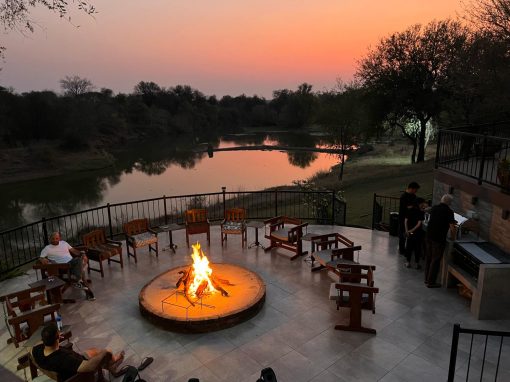
From the moment you arrive – whether via airport shuttle or directly on a lodge’s private airstrip – a well-run operation takes care of the logistics: transfers, accommodation, meals, and the day-to-day hunt schedule are handled by the lodge team, so your only real job once you’re there is to hunt, rest, and enjoy the experience. Most first-timers are surprised by how little they need to manage once they’re on the ground.
Frequently Asked Questions
Do US citizens need a visa to hunt in South Africa?
Generally no for short tourist/hunting stays, but requirements can change, so it’s worth confirming directly with South African immigration or your outfitter before booking flights.
Can I bring my own rifle to South Africa?
Yes, with a temporary firearm import permit (SAPS 520 form) arranged in advance. Alternatively, rifle hire is available at most lodges for hunters who’d rather not handle international firearm logistics.
What vaccinations are recommended before an African safari?
Discuss this with a travel medicine clinic – routine vaccinations should be current, and hepatitis A, typhoid, and malaria prophylaxis are commonly discussed depending on your specific itinerary and risk area.
How physically fit do I need to be for a hunting safari?
General fitness for several hours of walking on uneven ground over consecutive days is sufficient for most plains game hunting; dangerous game hunts like buffalo are more physically demanding.
What should I pack for a South African hunting safari?
Neutral-colored breathable layers, broken-in boots, sun protection, binoculars, and any personal shooting gear. Daily laundry service at most lodges means you can pack lighter than expected.