The Short Answer
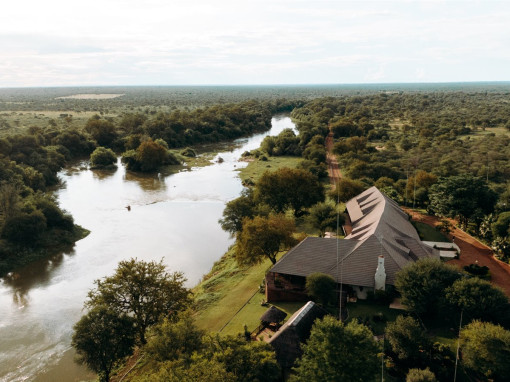
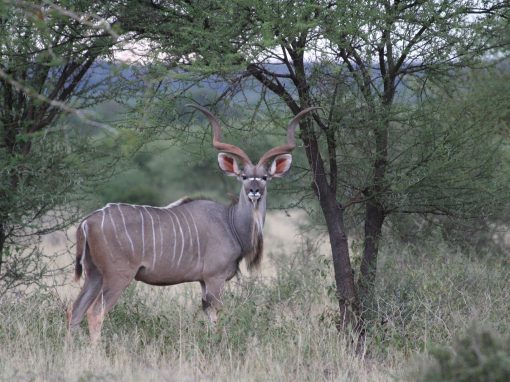
Limpopo Province, and specifically the dense mopane and acacia bushveld along the Limpopo River, is widely regarded as some of the best greater kudu country in Africa. Mid-50-inch bulls are a realistic, attainable trophy on a well-managed property; 58-60+ inches represents an exceptional, once-in-a-career animal. What makes the region special isn’t luck – it’s a combination of habitat, genetics, and low hunting pressure on private reserves that consistently produce mature bulls.
Why Limpopo Produces Such Big Kudu
The greater kudu is the ultimate bushveld ghost – a spiral-horned grey antelope that relies on thick cover to avoid predators, which means the thornveld and mopane scrub of Limpopo is exactly the habitat it evolved for. Private reserves in this region typically run lower stocking densities than commercial game farms further south, which means bulls live longer and reach full horn maturity – kudu horns don’t reach their final length and mass until five to seven years of age, so a property’s ability to protect young bulls from being taken too early is what actually drives trophy quality over time.
What Makes a Trophy Kudu
Horn length is measured along the outside curl, and the widely used Rowland Ward minimum for greater kudu is 50 inches – meaning anything from the low 50s up is a legitimate record-book-adjacent trophy. Beyond raw length, hunters and PHs also look at mass at the base, tightness and symmetry of the two-and-a-half spiral turns, and ivory tips (the pale coloring at the very end of each horn, which only develops with age). A shorter but heavily massed, tightly-curled bull can outscore a longer, thin-horned one.
How Kudu Are Hunted
Kudu hunting in thick Limpopo bush is almost always spot-and-stalk on foot, guided by an experienced tracker reading spoor from the previous night and early morning. Because kudu rely on cover and are exceptionally alert, most opportunities come at close-to-medium range – often 80 to 150 yards – through gaps in dense vegetation, which rewards patience and a steady rest far more than raw shooting distance. Dawn and the last two hours before dark are consistently the most productive windows, when bulls move between feeding and bedding cover.
Best Time of Year
The rut (breeding season) typically runs from late April into June, when bulls are more active and vocal, moving to find receptive cows – this can work in a hunter’s favor. More broadly, the dry winter months from May through September strip much of the deciduous bush of leaves, dramatically improving visibility in what is otherwise near-impenetrable thicket, which is a major reason the hunting season across Limpopo runs April to November.
What to Expect on a Kudu Hunt
Kudu is rarely hunted in isolation – most hunters pursuing a trophy bull are on a broader plains game safari and take kudu alongside species like impala, gemsbok, or warthog over five to seven days. Because trophy quality depends heavily on patience (passing on younger bulls in favor of a mature one), it’s worth discussing your trophy expectations candidly with your professional hunter before the hunt begins, and budgeting enough days that you’re not forced to compromise on the last afternoon.
Frequently Asked Questions
What is considered a good trophy kudu?
50 inches is the Rowland Ward record-book minimum. Mid-50s is a very good, realistic trophy on a well-managed property; 58 inches and above is exceptional.
When is kudu rutting season in South Africa?
Late April through June, though kudu can be successfully hunted throughout the April-November dry season when bush visibility is best.
How many days should I budget for a kudu hunt?
As part of a broader plains game safari, 5-7 days gives you a realistic shot at a mature bull without being forced to settle. Kudu-focused specialist hunts sometimes run shorter if trophy expectations are flexible.
What caliber for kudu?
.270 Winchester, .30-06, and .300 Winchester Magnum are all popular, effective choices for kudu-sized plains game at typical Limpopo bushveld ranges.
Can I combine kudu with other species?
Yes – kudu is almost always hunted as part of a multi-species plains game package rather than as a standalone hunt.