The Short Answer
Getting a legally taken African trophy home to the US involves three layers of paperwork – a South African CITES export permit (for CITES-listed species), a USFWS Form 3-177 declaration on the US side, and standard customs entry – all coordinated by a dip-and-ship company that handles the physical preparation and freight. For the vast majority of plains-game species most hunters take, this process is well-established and routine, and typically takes 6–9 months from the day you leave Africa to delivery at your taxidermist.
Step One: CITES Export Permits in South Africa
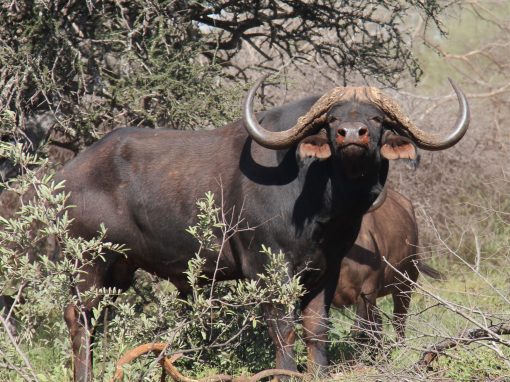
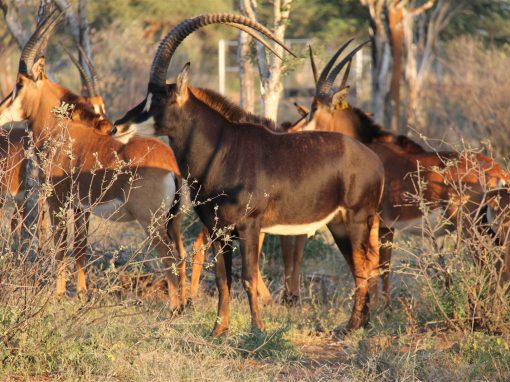
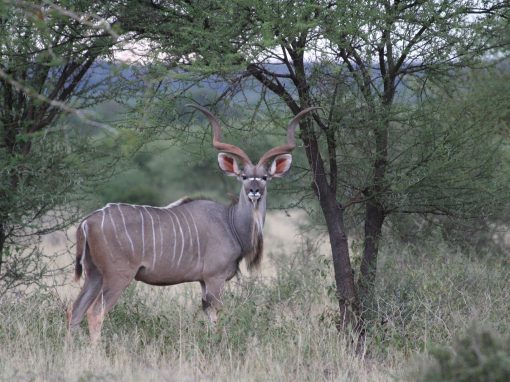
CITES (the Convention on International Trade in Endangered Species) governs cross-border trade in wildlife products. Most of the species commonly hunted in South Africa – buffalo, kudu, sable, impala, eland, zebra, and similar plains game – are either listed under CITES Appendix II, which allows for a straightforward, routinely issued export permit, or aren’t CITES-listed at all, meaning no CITES permit is needed. Your professional hunter and the dip-and-ship company handle the export permit application on your behalf; you generally don’t need to do this paperwork yourself.
Step Two: US Fish & Wildlife Service Requirements
On the US side, wildlife imports are regulated by the USFWS. The core document is Form 3-177, the Declaration for Importation or Exportation of Fish or Wildlife, which must accompany the shipment. Certain species require additional species-specific import permits. Every wildlife shipment must clear customs through a USFWS-designated port of entry – these include JFK (New York), LAX (Los Angeles), Miami, Chicago, and Dallas, among others – which is why your dip-and-ship company’s choice of routing matters.
Step Three: The Physical Dip-and-Ship Process
Before your trophy ever leaves Africa, the lodge’s skinning team salts and dries the skin/cape on-site to preserve it for the journey. From there, a dip-and-ship company takes over: this typically involves further treatment or fumigation to meet import biosecurity requirements, professional crating for international freight, and coordination of the actual shipping (air freight is faster but pricier; sea freight is slower and more economical for larger shipments or multiple trophies).
Choosing a Customs Broker
A licensed US customs broker who specializes specifically in wildlife imports – not general commercial freight – makes a meaningful difference in avoiding delays, since wildlife shipments have documentation requirements a general broker may not be familiar with. Most experienced dip-and-ship partners maintain relationships with a small number of proven wildlife-specialist brokers and can make a direct recommendation.
Realistic Timelines and Common Delays
6–9 months from departure to delivery at your taxidermist is a realistic expectation for most shipments, though this can extend if permits are delayed, if a shipment is selected for additional USFWS inspection, or during particularly busy shipping seasons. The most common cause of delay isn’t the paperwork itself but incomplete or mismatched documentation between the CITES export permit and the USFWS declaration – which is exactly why using an experienced dip-and-ship company and wildlife-specialist broker, rather than trying to manage the logistics independently, is worth the modest additional cost.
Frequently Asked Questions
How long does it take to get an African hunting trophy home to the US?
Typically 6–9 months from departure to delivery at your taxidermist, depending on species, shipping method, and permit processing times.
Which species require a CITES export permit?
Species listed under CITES Appendix II – this covers most commonly hunted African plains game and buffalo. Some species aren’t CITES-listed at all and don’t require this specific permit, though standard export documentation still applies.
Do I need a customs broker to import a hunting trophy?
It’s strongly recommended, specifically a broker experienced in wildlife imports rather than general commercial freight, to avoid documentation-related delays.
What happens if my trophy shipment is delayed at US customs?
Delays are usually resolved by providing additional or corrected documentation; this is where a wildlife-specialist customs broker earns their fee, managing the resolution directly with USFWS.
Can I hand-carry a hunting trophy home in my luggage?
Generally no for full skins/mounts – properly salted skins and skulls typically travel via the formal dip-and-ship and freight process to meet biosecurity and CITES documentation requirements.