The Short Answer
When it is well-regulated – quota-controlled, professionally guided, and revenue flows to landowners and local communities – trophy hunting is one of the most consistently effective conservation funding tools in southern Africa. This isn’t a hunting-industry talking point; it’s the documented conclusion of research bodies including the IUCN and Conservation Force, and it explains why private game land under wildlife management in South Africa has expanded dramatically over the past four decades, almost entirely funded by hunting revenue rather than government budgets or photographic tourism alone.
Why Wildlife Needs an Economic Reason to Exist on Private Land
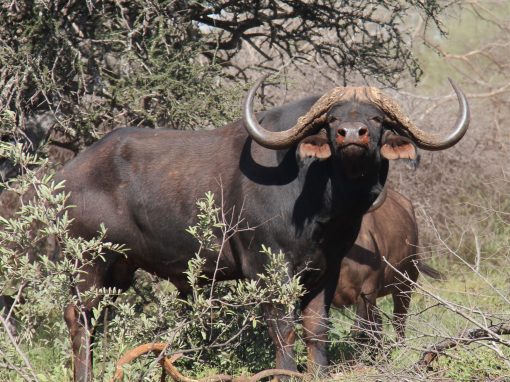
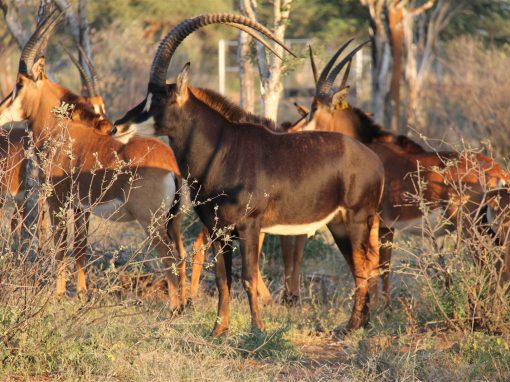
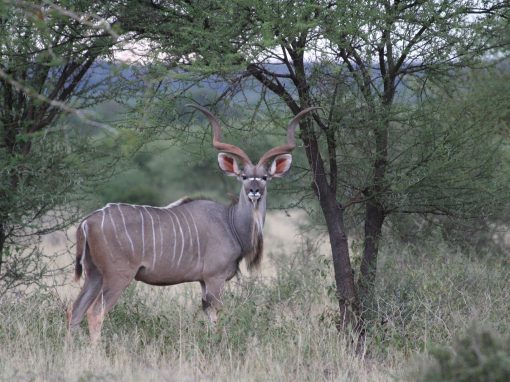
Roughly 80% of South Africa’s land is privately owned. A landowner deciding what to do with a few thousand hectares of bushveld is weighing wildlife against cattle, crops, or subdivision – and wildlife only wins that decision if it pays for itself. Trophy hunting gives species like buffalo, kudu, and sable a direct market value, which is what motivates landowners to remove fences between properties, reintroduce locally extinct species, invest in anti-poaching patrols, and manage habitat for the long term rather than the next crop cycle.
Take away that economic incentive, and the land reverts to whatever use pays the bills – which historically has meant livestock or agriculture, not wildlife.
How the Quota System Actually Works
Hunting in South Africa isn’t unregulated shooting. Every province sets annual off-take quotas through its conservation authority – in Limpopo Province, this is LEDET (the Department of Economic Development, Environment and Tourism). Professional hunters must be licensed and registered with the provincial authority. Species populations are monitored annually, and quotas are adjusted based on that data. Export of any trophy requires a CITES permit administered under international treaty, adding a second layer of oversight on top of provincial control.
This is fundamentally different from how trophy hunting is sometimes portrayed – it is closer to a fisheries-style managed harvest than an open free-for-all.
The Land Restoration Numbers
Since the 1960s, South Africa has seen wildlife populations on private land increase from roughly 575,000 to well over 20 million head across game species, with private reserves and game ranches now covering more land under wildlife management than the country’s national parks combined. That transformation happened because private landowners had a financial reason to convert marginal farmland back into functioning bushveld habitat – and hunting revenue was, and remains, the primary financial engine behind it.
Addressing the Real Criticisms
Fair criticism of the hunting industry exists and shouldn’t be waved away. Captive-bred, intensively managed “canned” lion hunting inside small enclosures is a legitimate and widely condemned practice, and it is entirely distinct from free-range, fair-chase hunting of naturally occurring plains game and buffalo populations on extensive land – the two are frequently and unfairly conflated in media coverage. The credible distinction to look for as a hunter is: does the outfitter operate on large, unfenced or extensively fenced natural habitat, are quotas set by an independent provincial authority rather than the outfitter itself, and does revenue demonstrably support anti-poaching and habitat management rather than only the operator’s bottom line.
What This Looks Like in Practice
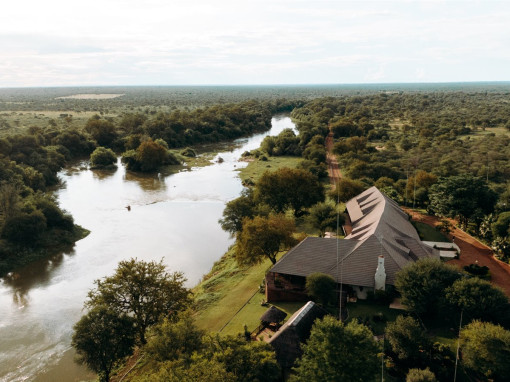
At a family-run operation managing the same land across generations, the financial incentive to protect trophy quality and species diversity is direct and personal – degrading the resource degrades the business for the next generation. Professional hunters in this model function as de facto wildlife managers: they’re the ones who notice when a species’ numbers dip, when poaching pressure increases on a boundary fence, or when a habitat needs rest. That alignment of economic and conservation interest is the core argument for regulated trophy hunting, and it’s borne out across the majority of Limpopo Province’s private reserve land.
Frequently Asked Questions
Does trophy hunting endanger African wildlife species?
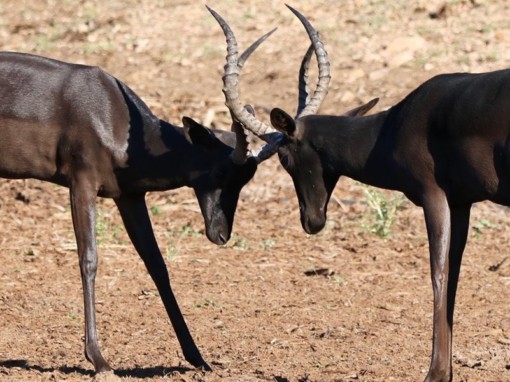
For the species legally hunted in South Africa – buffalo, kudu, sable, impala and similar plains game – populations are stable to increasing on private land, precisely because hunting gives them commercial value. Endangered species are either not hunted or hunted under extremely tight, separately monitored quotas.
What is ‘canned hunting’ and how is it different from regulated trophy hunting?
Canned hunting refers to intensively bred predators, usually lions, hunted in small confined enclosures with no fair chase. It is a distinct, controversial practice, separate from free-range hunting of naturally occurring antelope and buffalo populations across extensive wild habitat.
Do local communities actually benefit from hunting revenue?
In well-run operations, yes – through direct employment (trackers, skinners, camp staff, lodge staff), and often through community-benefit agreements tied to conservancies bordering communal land.
Which organizations support regulated trophy hunting as conservation policy?
The IUCN (International Union for Conservation of Nature), Conservation Force, and multiple southern African wildlife authorities have published research and policy positions supporting well-regulated trophy hunting as a net-positive conservation tool.
Is trophy hunting more effective than photographic tourism alone?
They’re complementary rather than competing. Photographic tourism works well on high-traffic, scenic land near infrastructure; trophy hunting can generate wildlife revenue on remote, low-traffic land that would never attract enough photographic visitors to be commercially viable otherwise.