The Short Answer
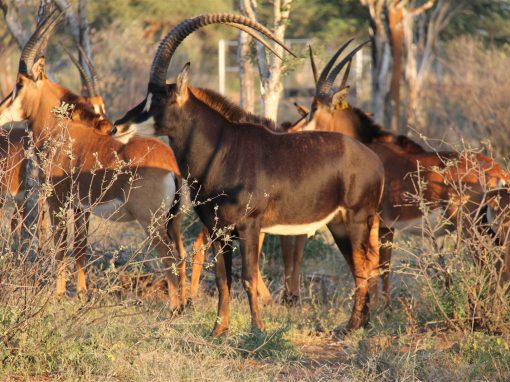
Sable antelope are widely considered one of the most beautiful and sought-after trophies in Africa – mature bulls carry jet-black coats, a striking white-and-black facial mask, and dramatic backward-curving scimitar horns that can exceed 45 inches. A quality sable hunt is a multi-day pursuit rather than a quick opportunity, and it commands a premium trophy fee reflecting both the animal’s rarity relative to common plains game and the difficulty of taking a genuinely mature bull.
Why Sable Is So Prized
Few African antelope go through as dramatic a transformation as sable. Calves and young bulls are a reddish-brown similar to a roan or kudu cow; only as bulls mature past four to five years does the coat darken toward the near-black of a fully mature animal, alongside the bold white belly and facial blaze. That combination of striking color, imposing horn shape, and genuine scarcity relative to impala or kudu is what places sable near the top of most serious hunters’ wish lists – and why it’s treated as a signature species at reserves that can consistently produce mature, dark bulls.
What Makes a Trophy Sable
The Rowland Ward minimum for sable antelope is 42 inches, measured along the outside curve of the horn. Beyond raw length, hunters look for a deep, even backward curve, good mass at the base, and – for hunters specifically chasing the classic look – a fully darkened coat, which is itself a strong indicator of age and maturity rather than just a cosmetic preference.
Behavior and Habitat
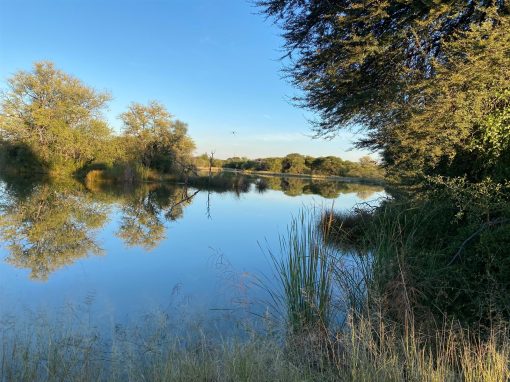
Sable favor open-to-moderate woodland with adjacent grassland, staying within reach of water. They live in cow-and-calf herds led by a dominant, territorial bull who defends his group aggressively from rival males – a behavior pattern experienced trackers use to their advantage, since a herd’s location and the calling/sparring activity of competing bulls often gives away a mature animal’s position well before he’s seen.
Best Time to Hunt Sable
As with most Limpopo plains game, the dry winter months from May through September offer the best visibility as deciduous bush thins out, and cooler daytime temperatures make longer stalks more comfortable. Sable can be hunted throughout the broader April-November season, but serious trophy hunters often prioritize the mid-winter months when bulls are most visible against thinned-out cover.
A Note on Colour Variants
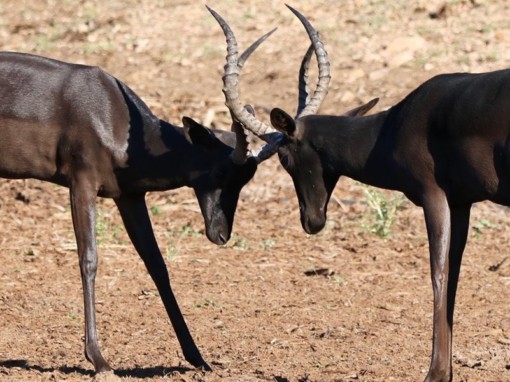
Some properties, including reserves in Limpopo, also manage rare colour variant antelope – golden wildebeest, black impala, golden oryx – which are a genetically distinct topic from sable’s natural coat-darkening with age, but hunters interested in sable often ask about them in the same conversation. If unique coloration is part of what draws you to sable, it’s worth asking your outfitter what colour variant species are available on the same property.
Frequently Asked Questions
What is considered a good trophy sable?
42 inches is the Rowland Ward minimum. A mature, fully dark-coated bull in the mid-40s is an excellent, realistic trophy on a well-managed reserve.
Are sable antelope dangerous to hunt?
Sable aren’t classified as dangerous game like buffalo, but mature bulls are powerful and can be aggressive if wounded or cornered – a clean, well-placed shot matters as much here as with any large antelope.
How much does a sable hunt typically cost?
Trophy fees for sable generally range from roughly $4,000 to $8,000 depending on the outfitter and trophy quality, on top of the standard daily rate.
What’s the best rifle and caliber for sable?
.30-06 and .300 Winchester Magnum are common, effective choices given sable’s size and the moderate-range shots typical in open-to-mixed woodland.
What’s the difference between sable and roan antelope?
Both are large, horse-like antelope with backward-curving horns, but roan are larger-bodied, grey-brown rather than black, and considerably rarer and more expensive to hunt than sable.